
Beirut is a city that defies easy categorisation. Many travellers pass through, often hearing about its past, but few take the time to truly leave the airport and experience its complex, vibrant present. This guide for a 6-hour layover reveals how to tap into Beirut’s authentic pulse, particularly through its historic staircases and Bourj Hammoud bazaars, which are increasingly trending search terms for those looking for something beyond the usual.
This guide is for the curious traveller with 6 hours in Beirut, keen to move beyond the transit lounge and experience a slice of authentic Lebanese culture and street life, even if only for a short window. You want to see the real city, not just the tourist facade.
Beirut, often described as the Paris of the Middle East, is a resilient city of sharp contrasts, where ancient history coexists with dynamic modern life. Its unique character is woven from diverse cultures, reflected in its varied architecture, deep culinary traditions, and the constant energy of its bustling streets and neighbourhoods.
A personal note
During my years flying, Beirut was a city I passed through countless times. Each visit, even the short ones, left an impression. I remember the shifting skyline, the blend of old and new buildings, and the persistent smell of strong coffee and man’oushe from street stalls, especially in the early mornings. Traffic was always a consideration, but the city’s ability to simply be, to carry on its daily rhythms despite everything, was always palpable. It’s a city that rewards observation, where you find beauty in the everyday details — from the faded elegance of Achrafieh to the chaotic energy of Bourj Hammoud.
Before you leave the airport
Storing your luggage
Unfortunately, there are currently no dedicated luggage storage services or lockers available at Beirut–Rafic Hariri International Airport (BEY). You will need to travel light or manage your carry-on during this layover.
Do you need cash?
Yes, cash is essential in Beirut, especially for taxis, local shops, and many eateries. Both Lebanese Pounds (LBP) and US Dollars (USD) are widely accepted, with prices often quoted in USD. It is highly recommended to carry a sufficient amount of USD in small denominations upon arrival, as foreign card withdrawals can be limited. ATMs are available in areas like Hamra and Achrafieh (e.g., Fransabank), but carrying physical cash is your safest bet.
6 hours in Beirut: what to do
1. Immerse yourself in the Armenian Quarter of Bourj Hammoud
Dive into the vibrant, chaotic charm of Bourj Hammoud, a district rich with Armenian culture and history. This neighbourhood is a sensory delight, offering a labyrinth of bazaars filled with spices, fabrics, antiques, and unique crafts. You’ll find renowned Armenian bakeries and eateries tucked into every corner.
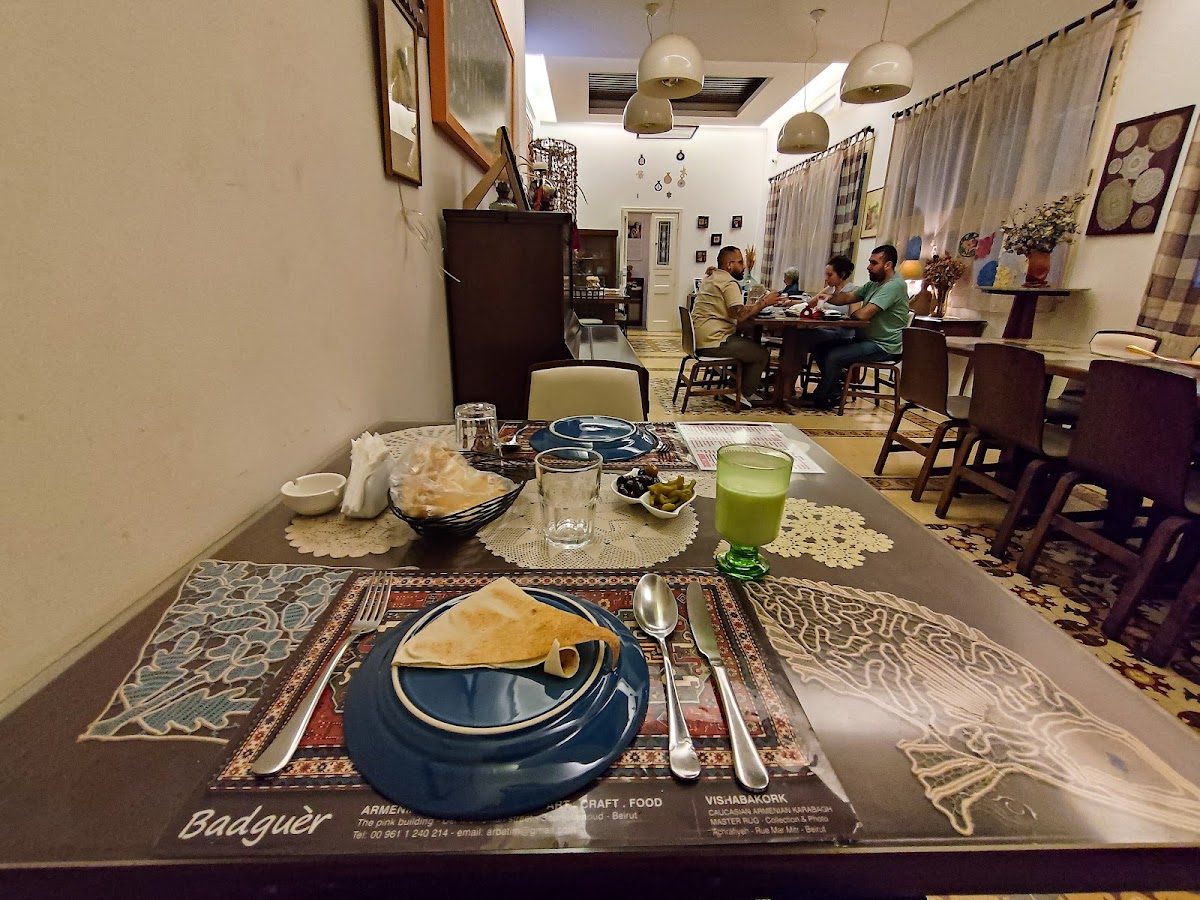
Wander through its narrow streets, observing daily life and the unique blend of traditions. Seek out the small, family-run bakeries for authentic lahmajoun or sujuk shawarma, which are local favourites. The area offers an experience distinct from any other part of Beirut.
2. Discover authentic Lebanese crafts at Artisans du Liban et d’Orient
Explore a treasure trove of traditional Lebanese crafts at Artisans du Liban et d’Orient. This established cooperative showcases handwoven textiles, ceramics, glass, soap, and copperware, all made by artisans across the country. It is a place to find genuine local artistry.
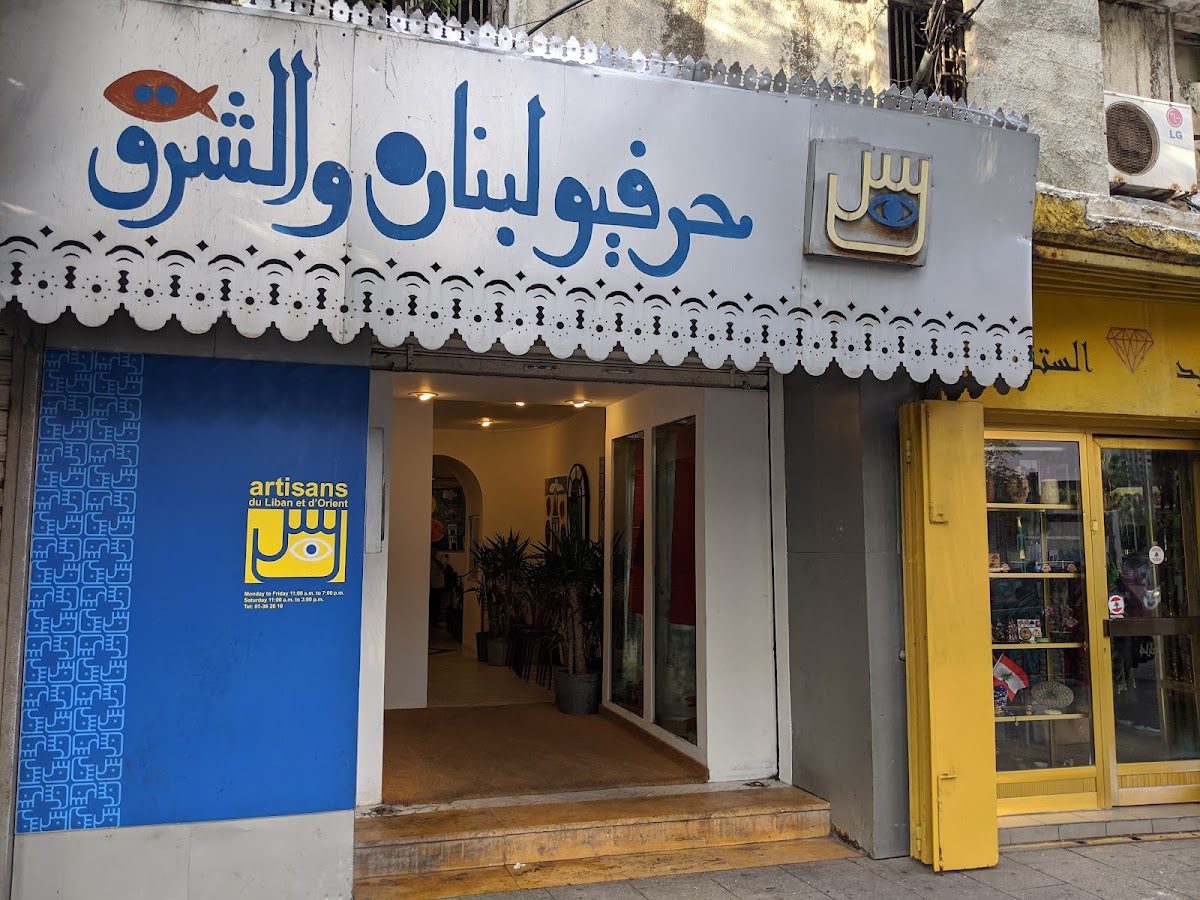
Purchasing here directly supports rural craftspeople and helps preserve invaluable heritage skills. Engage with the staff; they often share stories behind the crafts and the artisans who create them, adding a deeper meaning to any souvenir you choose.
3. Wander Beirut’s Historic Staircases (Escalier de l’Art)
Experience Beirut’s ‘Stairways to the Past,’ tucked behind buildings in older neighborhoods like Gemmayzeh and Achrafieh. These secret passageways reveal faded Ottoman tiles, forgotten courtyards, and offer a raw, real glimpse into the city’s layered history and architectural beauty. This is perfect for those seeking experiences beyond typical guidebooks.
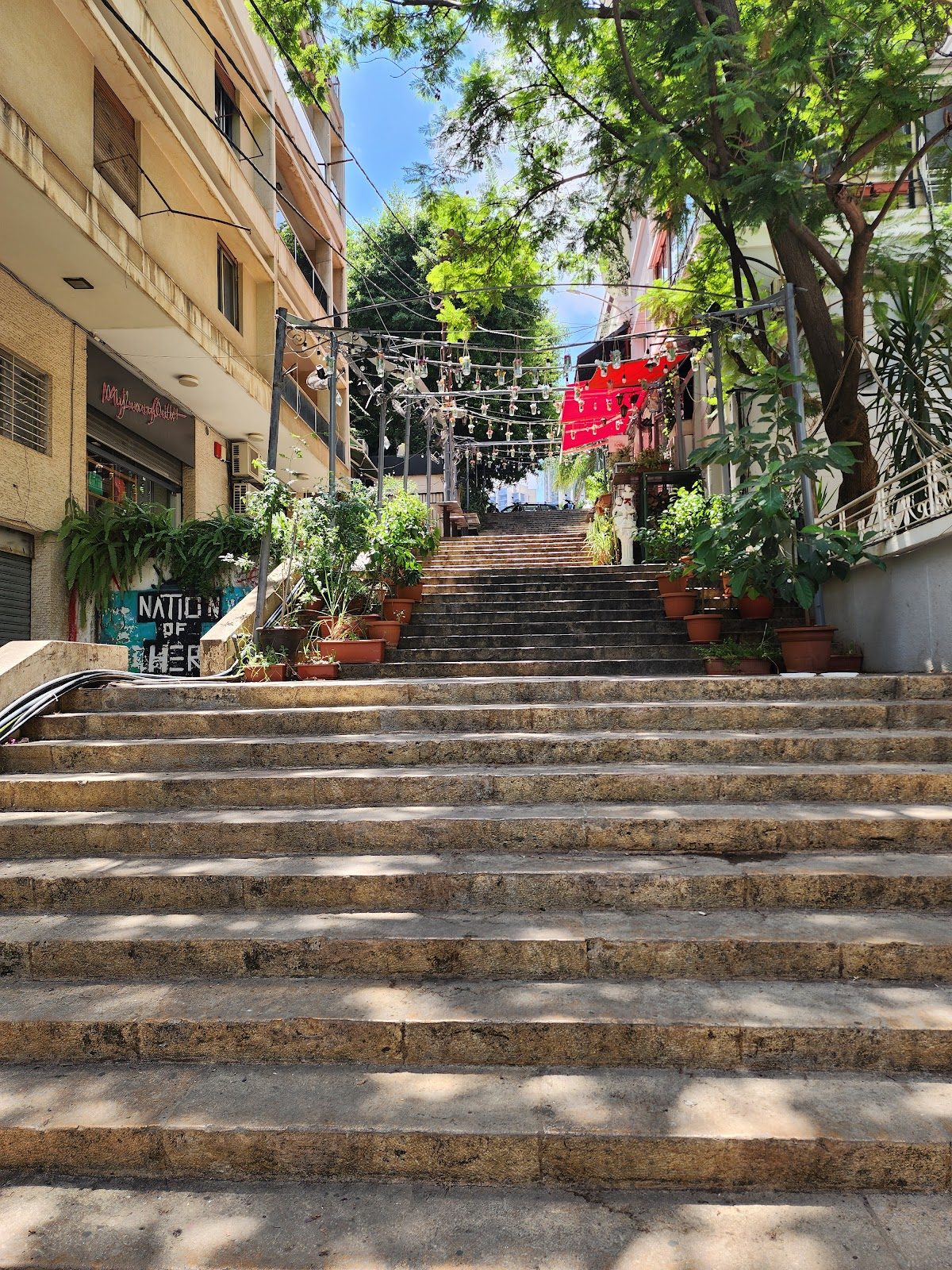
The most famous, Escalier de l’Art on Rue Sursock, is a beautiful example. As you climb, look for street art and hidden cafes along these staircases, offering unexpected photo opportunities and quiet spots to observe local life. It’s a journey through the city’s quiet, architectural charm.
4. Savor an authentic Lebanese street food experience
Indulge in Beirut’s iconic street food, a cornerstone of its culinary identity. Grab a classic chicken shawarma, known for its crispy barbecued chicken and rich garlic sauce (toum), or try a man’oushe, a popular Lebanese flatbread often topped with za’atar and cheese. This is a must for a quick and flavorful bite.
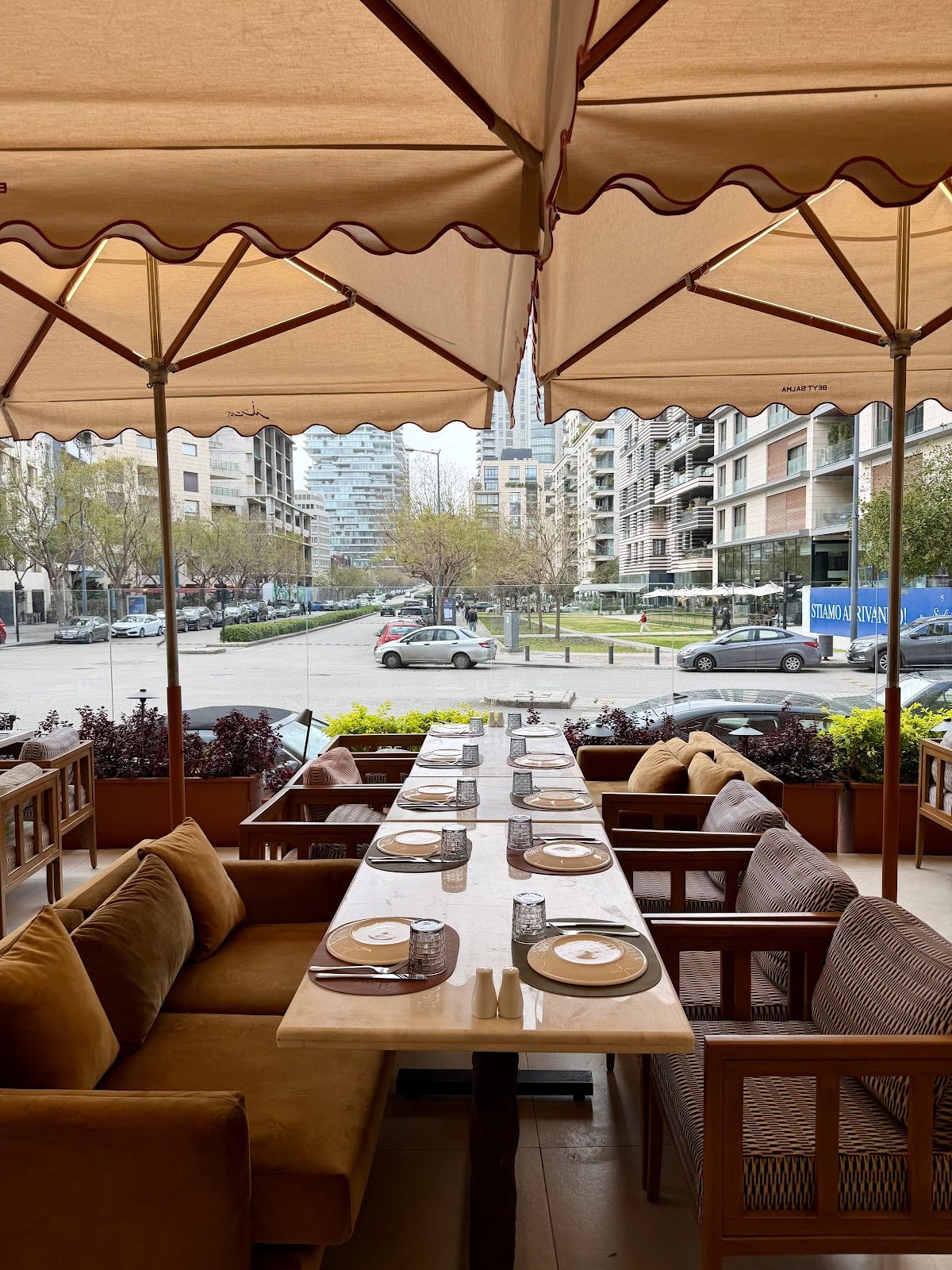
You can find excellent options at various locations. Barbar on Hamra Street is a well-known spot, or look for bustling stalls in Mar Mikhael. Don’t be afraid to try a ‘cocktail’ juice from a street vendor alongside your meal; they are freshly made and a refreshing local staple.
5. Take a stroll down Hamra Street
Experience the lively pulse of Hamra Street, a historic and bustling commercial hub. While not an ‘off-the-beaten-path’ destination, it offers a genuine glimpse into daily Beiruti life with its mix of shops, cafes, and bookstalls. It’s an excellent spot for people-watching and soaking in the city’s vibrant coffee culture.
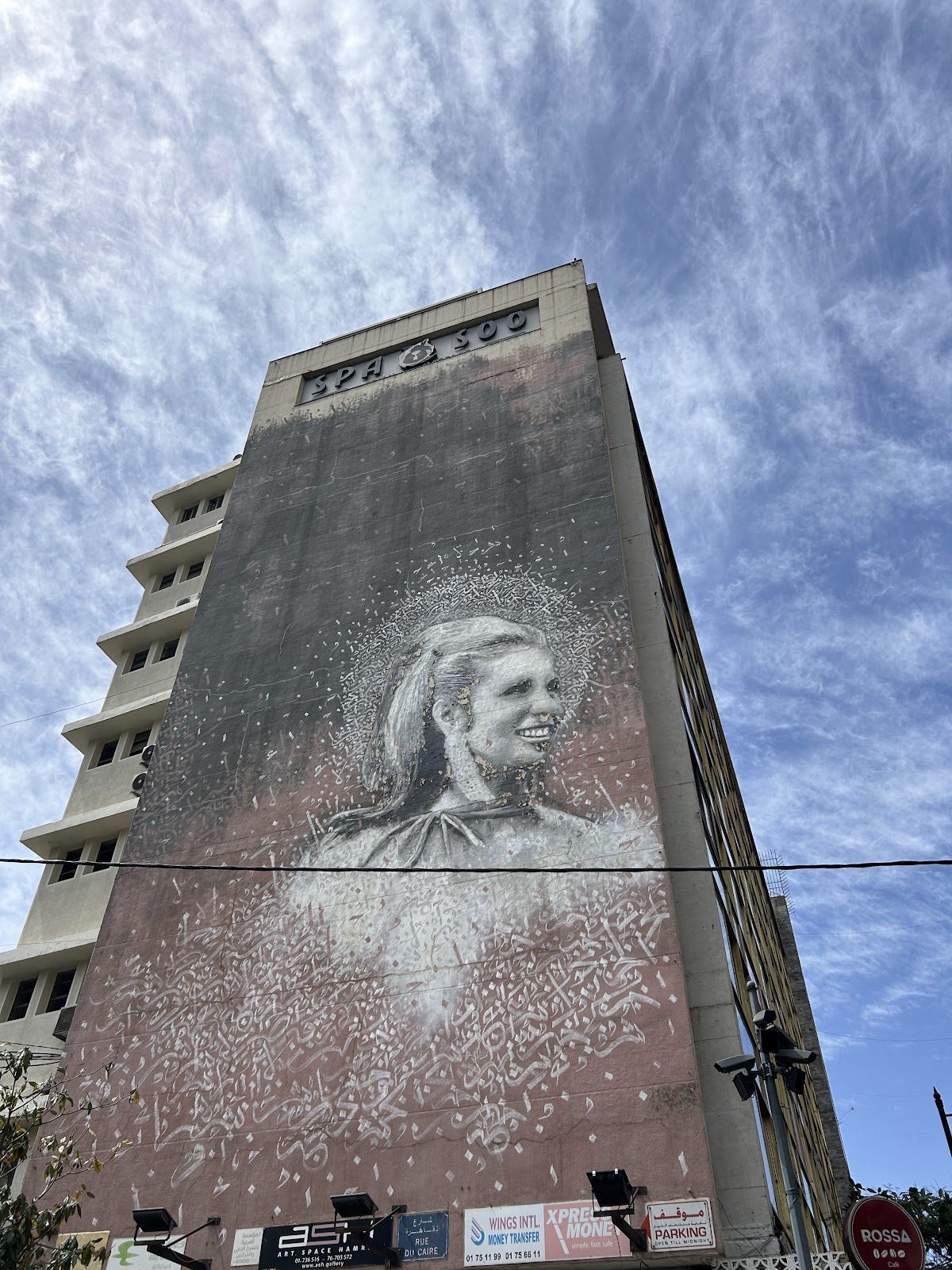
Seek out one of the traditional coffee houses for a strong Lebanese coffee and observe the local intellectual and social scene. It’s a great place to absorb the city’s rhythm before heading back to the airport.
Final word
A 6-hour layover in Beirut is a quick dive into a city that is always moving, always reinventing itself. It offers a unique blend of heritage and contemporary life that many travellers overlook. This short window is enough to glimpse its resilience and vibrant culture, leaving you with a taste of its authentic spirit.
All practical information was verified at the time of writing. Please confirm hours and prices before you go.