
Florence often feels like a city perpetually caught between its glorious Renaissance past and the hum of modern tourism. But if you know where to look, Florence still holds pockets of authentic local life, particularly in its artisan workshops and food markets, proving that even a well-trodden destination can offer genuine discovery.
This guide is for the pragmatic traveller with an 8-hour layover in Florence, eager to step beyond the airport’s confines and experience the city’s living culture, focusing on local life and traditional crafts.
Florence, the heart of Tuscany, is defined by its artistic heritage and deep-rooted craft traditions. While its historic centre can feel like an open-air museum, its true character thrives in the Oltrarno district and its neighbourhood markets.
A personal note
Over my years flying through Florence, I found it’s a city that rewards those who linger a little longer, or at least, look a little closer. The initial impression is often the sheer density of visitors around the Duomo and Ponte Vecchio. But if you duck into a side street, cross the Arno, or simply wake up before the tour buses, a different Florence emerges. It’s in the quiet morning light hitting the Oltrarno workshops, the sound of chisels on wood, or the scent of fresh bread mixing with roasting coffee beans at a market. These are the moments that make the city feel real, less like a postcard and more like a living, breathing place.
Before you leave the airport
Storing your luggage
Leaving your bags at the airport or near the train station is crucial for a comfortable layover. You do not want to navigate Florence’s narrow streets with extra baggage.
Radical Storage offers multiple convenient locations near Florence Airport and in the city centre, including close to Santa Maria Novella station. Prices start at €5 per bag per day, with no size or weight restrictions, and include a €3000 security guarantee. Booking is done online via their app or website.
Alternatively, Nannybag provides similar services with locations around Florence Peretola Airport and the city centre. Their rates are slightly lower at €2.50 per bag per day, with no size or weight limits, and include €10,000 coverage. Book online through their app or website.
Do you need cash?
While most major establishments in Florence accept credit and debit cards, having some cash on hand is highly recommended. For smaller purchases like a coffee or pastry at a local bar (€1.20-€1.50), market stalls, or public toilets, cash is often preferred.
It is advisable to carry €20-€50 in euros. Use bank ATMs (Bancomat) to withdraw cash to avoid excessive fees and unfavourable exchange rates often found at independent exchange kiosks. ATMs are widely available throughout the city centre.
8 hours in Florence: what to do
1. Experience local life at Sant’Ambrogio Market
Step into the heart of authentic Florentine life at Sant’Ambrogio Market, a lively hub where locals gather for their daily needs. This indoor and outdoor market offers a glimpse into the city’s culinary traditions, far from the tourist crowds.
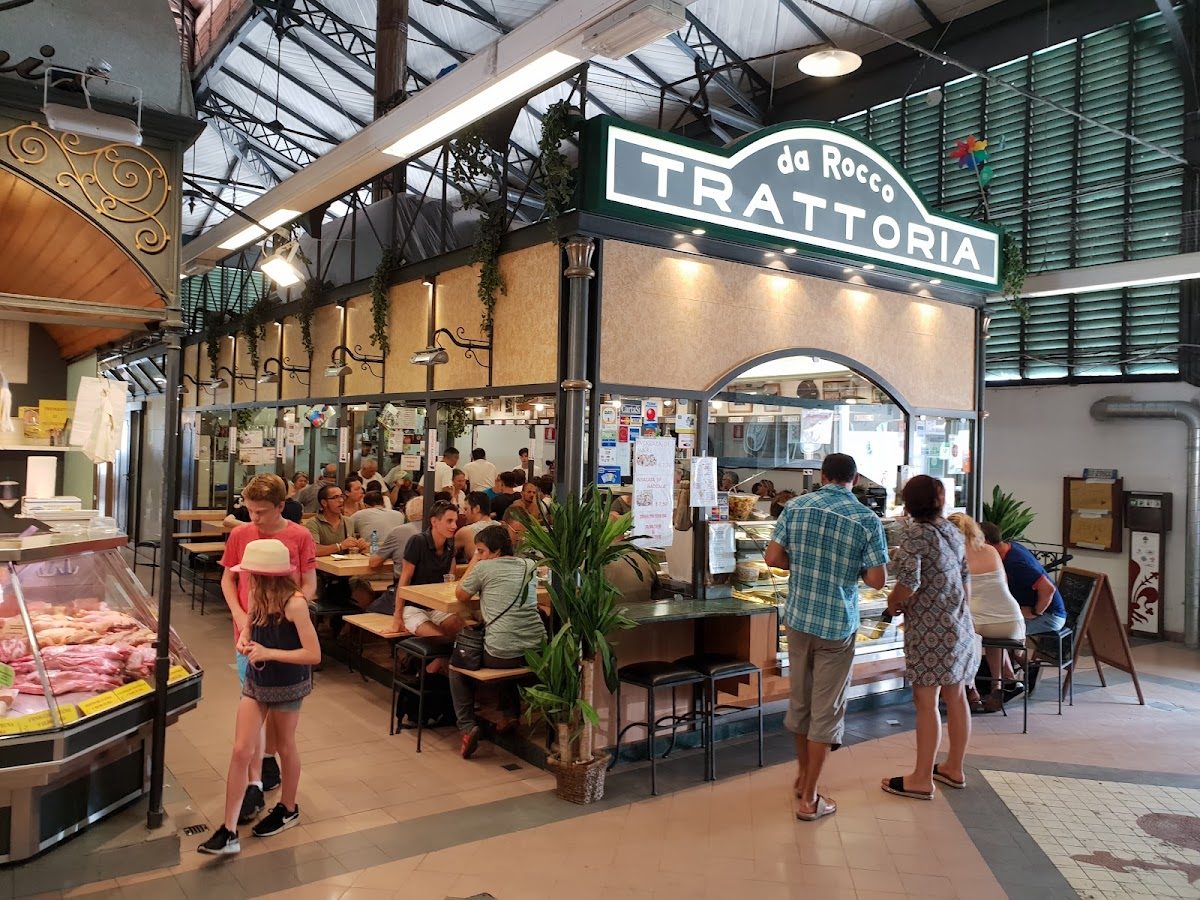
Here, you will find stalls brimming with fresh produce, regional cheeses, cured meats, and freshly baked bread. Outside, vendors sell vintage items and handcrafted goods, creating a dynamic atmosphere that feels genuinely local.
2. Discover traditional crafts in the Oltrarno District
Cross the Arno River into the Oltrarno district, a trending destination for those seeking authentic Florentine artisan workshops. This area is a living testament to centuries of craft tradition, offering a deeper cultural experience away from the main tourist paths.
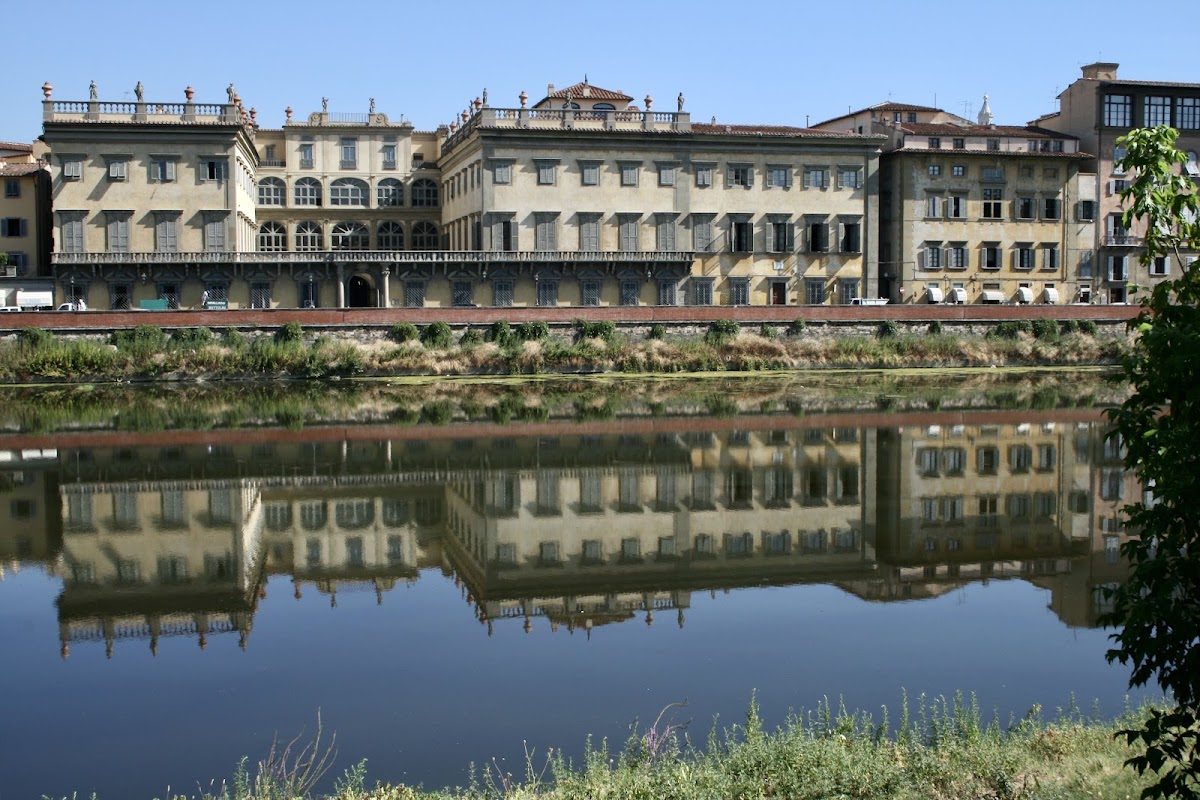
Wander through its narrow streets and discover master craftsmen at work, creating everything from intricate leather goods and marbled paper to ceramics and jewellery. This is the place to find unique, handmade souvenirs and observe skills passed down through generations.
3. Witness leathercraft at Scuola del Cuoio
Tucked away behind the grand Basilica of Santa Croce lies the historic Scuola del Cuoio, Florence’s renowned Leather School. Established in 1950, this institution offers a unique opportunity to see traditional Florentine leatherworking firsthand.
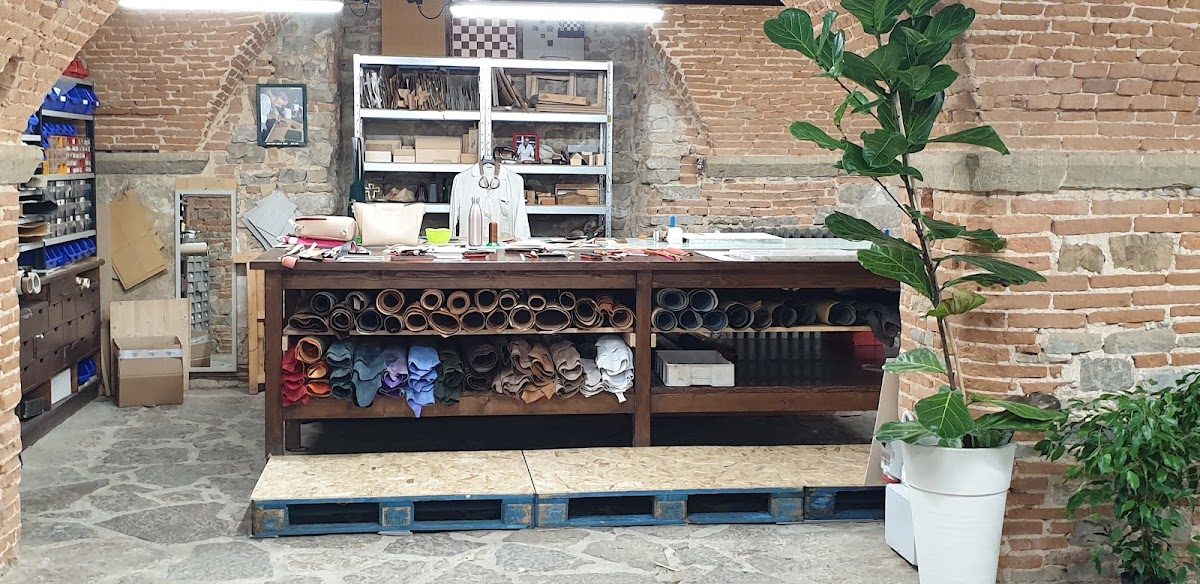
You can observe students and master artisans meticulously crafting high-quality leather bags, wallets, and accessories using time-honoured techniques. It’s a fascinating experience to witness a living craft and, if you wish, purchase exquisite items directly from the source.
4. Step back in time at Officina Profumo-Farmaceutica di Santa Maria Novella
Enter one of the world’s oldest pharmacies, the Officina Profumo-Farmaceutica di Santa Maria Novella, founded by Dominican friars in 1221. This stunning historic site feels more like a museum than a shop.
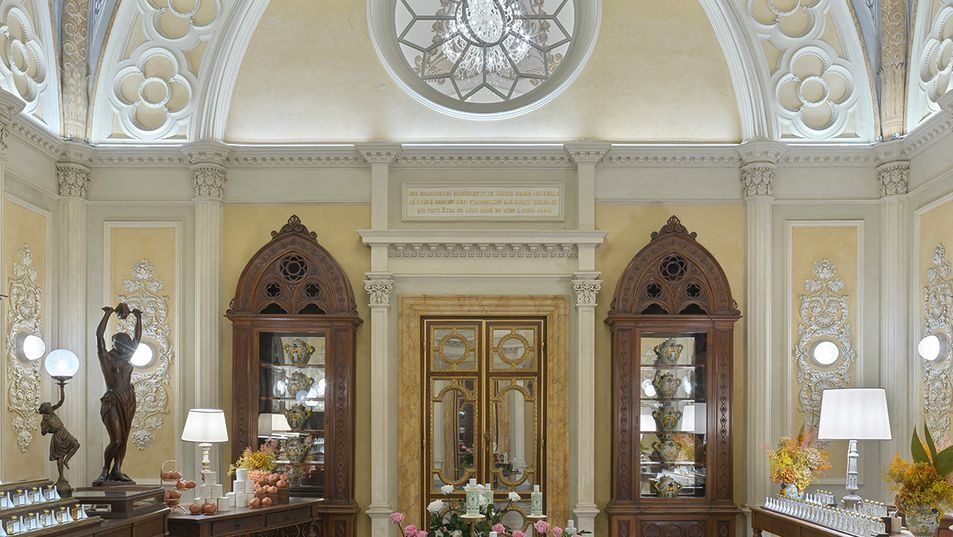
Its rooms are adorned with breathtaking frescoes and intricate architecture, creating a serene atmosphere. Explore ancient apothecary displays and discover their renowned botanically inspired perfumes, soaps, and traditional elixirs, all still made with centuries-old recipes.
5. Enjoy a traditional lunch at Trattoria Sabatino
For an authentic Florentine lunch experience, head to Trattoria Sabatino, a trending local institution since 1956. Located in the San Frediano area of Oltrarno, this no-frills trattoria is beloved by locals for its honest, traditional Tuscan fare.
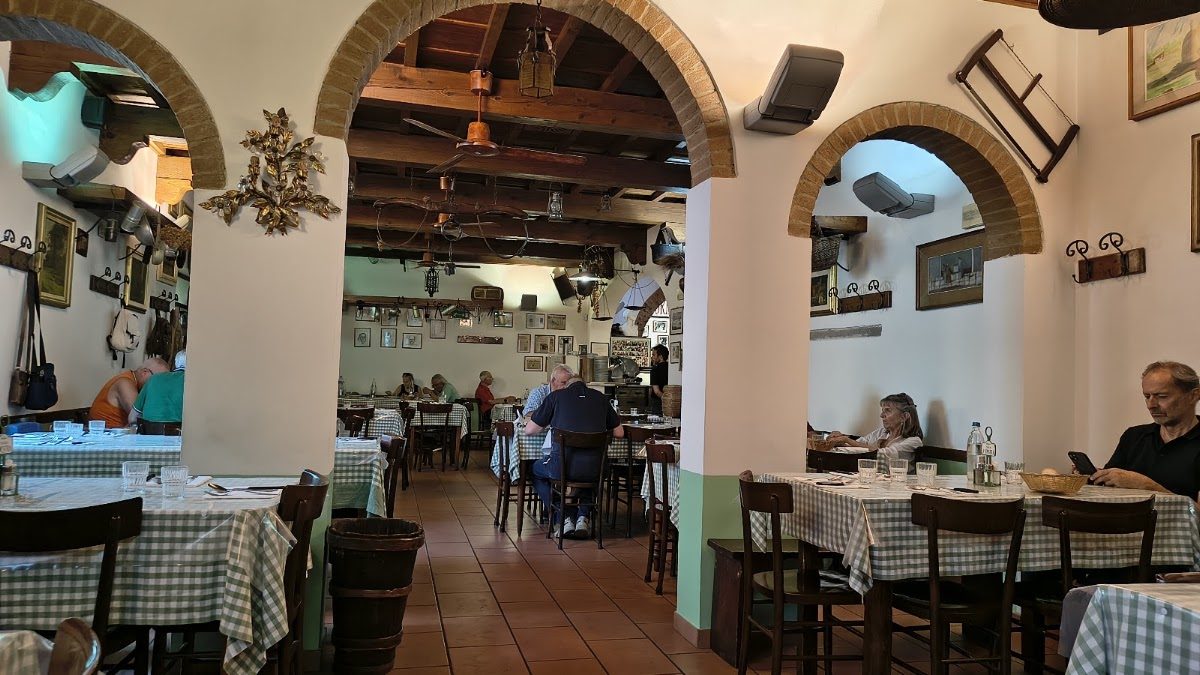
Expect a daily changing menu featuring classic dishes like pappa al pomodoro or ribollita served in a bustling, unpretentious setting. This is where locals eat, and the prices reflect that.
6. Hunt for Clet Abraham’s street art
Embark on a unique scavenger hunt for the witty and thought-provoking street art of French artist Clet Abraham. His subtle transformations of ordinary street signs across Florence offer a playful and often philosophical twist to the urban landscape.
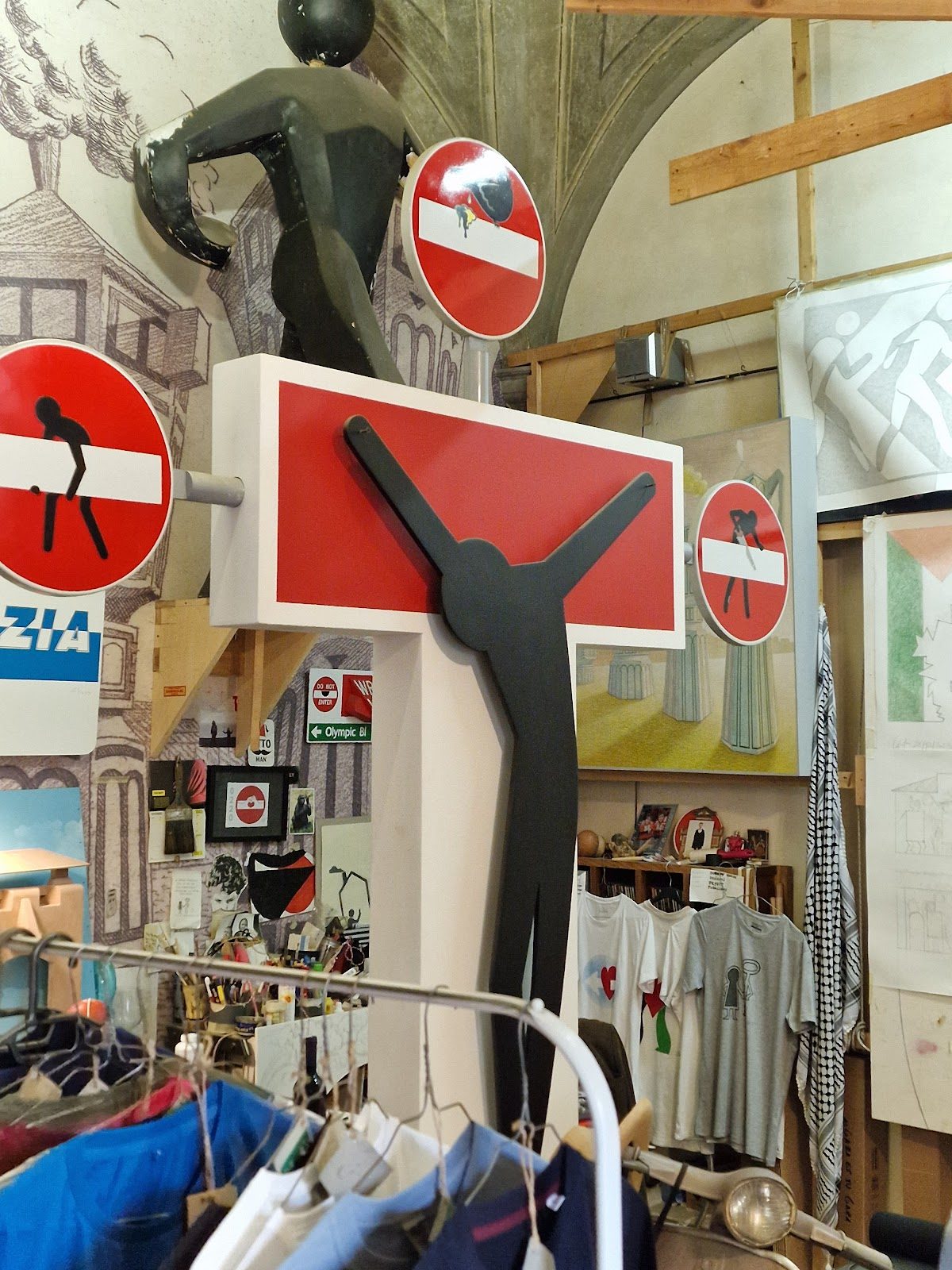
Discovering these clever interventions provides a fresh, off-the-beaten-path perspective on the city’s public spaces. It’s a refreshing break from traditional art forms and a trending activity for those looking for something different.
Final word
An 8-hour layover in Florence allows for a focused exploration beyond the most famous landmarks. By seeking out its local markets and artisan workshops, you can connect with the city’s enduring cultural heart, experiencing a Florence that is both authentic and deeply rewarding.
All information was verified at the time of writing. Please confirm opening hours and prices before your visit.