
Tokyo, a city often associated with its hyper-modern Shibuya Crossing or neon-drenched Shinjuku, holds a deeper, more traditional pulse just beneath the surface. For those with a 14-hour layover and a desire to see beyond the usual, Tokyo offers a quiet elegance that is increasingly trending with travellers seeking authentic cultural immersion in neighbourhoods like Yanaka Ginza and Kagurazaka.
This guide is for the pragmatic explorer with 14 hours in Tokyo who wants to leave the airport and delve into the city’s rich cultural fabric, focusing on experiences that are both accessible and genuinely Japanese.
Tokyo is a study in contrasts, a place where serene Shinto shrines stand quietly beside towering skyscrapers and the efficiency of its transport system belies the intricate human connections that define its neighbourhoods.
A personal note: I have navigated Tokyo countless times as cabin crew, often with nothing more than a few hours to spare. What always struck me was how quickly you could shed the airport’s anonymity for the city’s distinct rhythms. I learned to appreciate the subtle shifts in atmosphere — the hushed mornings in Yanaka, the dignified quiet of Kagurazaka’s alleys, the constant hum of a Tsukiji that never truly sleeps. It is a city that rewards those who look past the obvious, where the real stories are found in the small, everyday interactions and the enduring traditions.
Before you leave the airport
Storing your luggage
For arrivals at Haneda Airport (HND), the airport’s Baggage Service counters offer convenient storage. Prices range from ¥800 to ¥2,000 per 24 hours, depending on luggage size. Look for counters in various terminals, including the International Terminal, with some offering 24-hour service.
Alternatively, if you prefer to store your bags closer to your city activities, Radical Storage has verified locations throughout central Tokyo. Prices start from ¥490 per day, with specific hours varying by partner location. This can be useful if you plan to explore a specific district for an extended period.
Do you need cash?
Yes, carrying Japanese Yen (JPY) is essential, especially if you are venturing beyond major chain stores or hotels. While credit cards are accepted in many larger establishments, smaller local restaurants, traditional markets like Tsukiji Outer Market or Yanaka Ginza, and many craft shops still operate primarily on cash.
You will also need ¥100 coins for train station coin lockers, which are indispensable for short-term storage if you decide against airport or third-party services. ATMs are widely available at convenience stores (7-Eleven, FamilyMart, Lawson) and post offices and generally accept international cards. Aim to carry ¥5,000-¥10,000 for transport, food, and small purchases.
14 hours in Tokyo: what to do
1. Immerse yourself in the morning energy of Tsukiji Outer Market
Even after the wholesale fish market moved, Tsukiji Outer Market remains a vibrant hub for fresh seafood, street food, and kitchenware. It offers a more relaxed pace to sample local delicacies like fresh sushi and tamagoyaki than its former incarnation. You will find vendors hawking everything from grilled scallops to specialty teas.
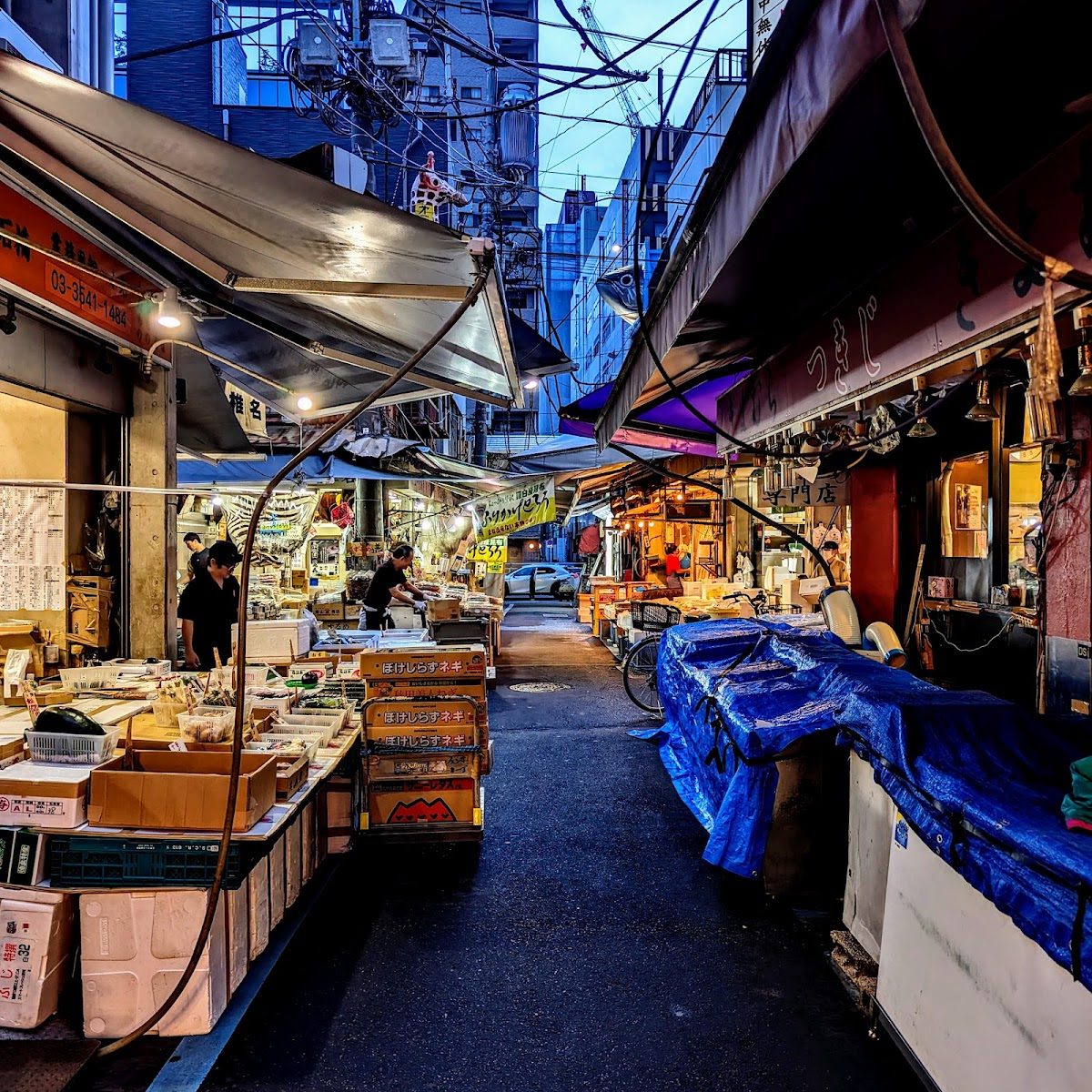
Wander through the narrow lanes, observing the meticulous preparation of food and the bustling trade. This is a place where you can eat your way through a significant slice of Japanese culinary culture, standing shoulder-to-shoulder with locals. It is a sensory experience, full of the smells of fresh seafood and sizzling street food.
This market offers an authentic taste of Tokyo’s enduring food culture without the overwhelming crowds of its past, making it perfect for a morning layover stop.
2. Step back in time on Yanaka Ginza Shopping Street
Yanaka Ginza is a charming, old-fashioned shopping street known for its nostalgic Shitamachi (old Tokyo) atmosphere. This district stands in stark contrast to Tokyo’s modern areas, offering a glimpse into pre-war Tokyo with its local shops, traditional crafts, and a relaxed, community feel. It’s becoming increasingly popular with travellers seeking an authentic cultural immersion.
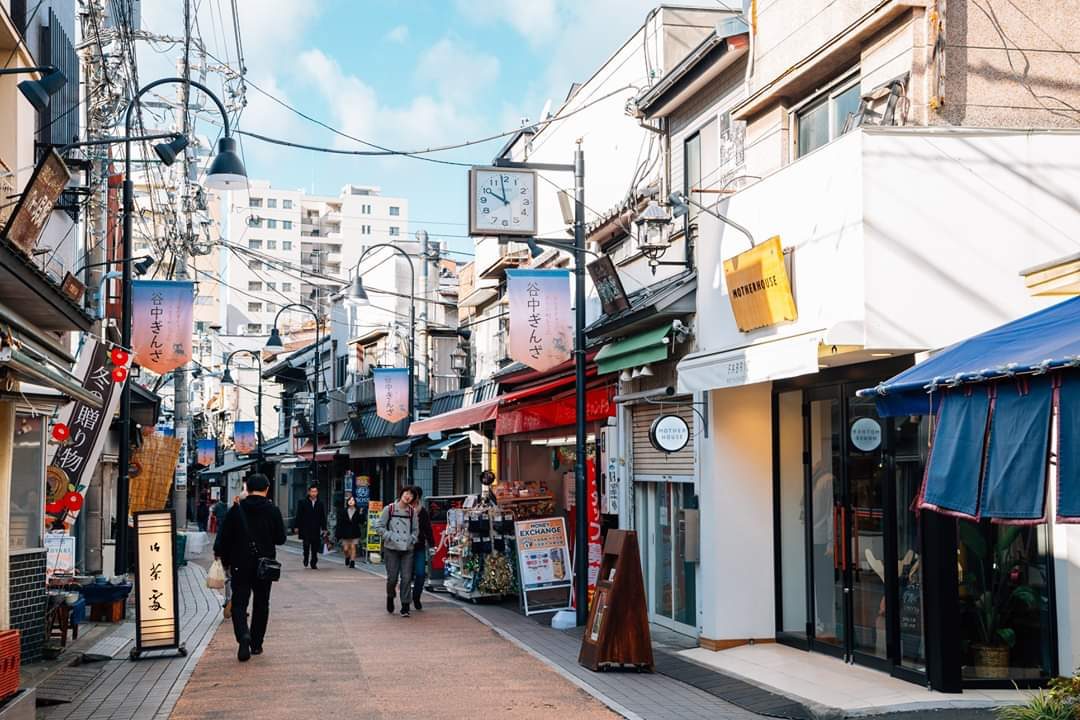
Stroll along the pedestrian-only street, browsing shops selling everything from handmade sweets and traditional toys to ceramics and local produce. You will find small, independent businesses that have been run by the same families for generations. Last time I was here I bought a small, hand-painted ceramic cat from a shop that looked like it hadn’t changed in fifty years.
This area provides a refreshing escape from the city’s frenetic pace, connecting you with a quieter, more traditional side of Tokyo that is both charming and culturally rich.
3. Appreciate Japan’s diverse artisan heritage at Japan Traditional Crafts Aoyama Square
Discover exquisite traditional Japanese crafts from all over the country at this government-sponsored showroom and shop. Each item adheres to strict criteria, ensuring it is handmade using time-honoured techniques and materials. It’s an excellent place for a “crash course” in Japan’s diverse artisan heritage, from ceramics to textiles.
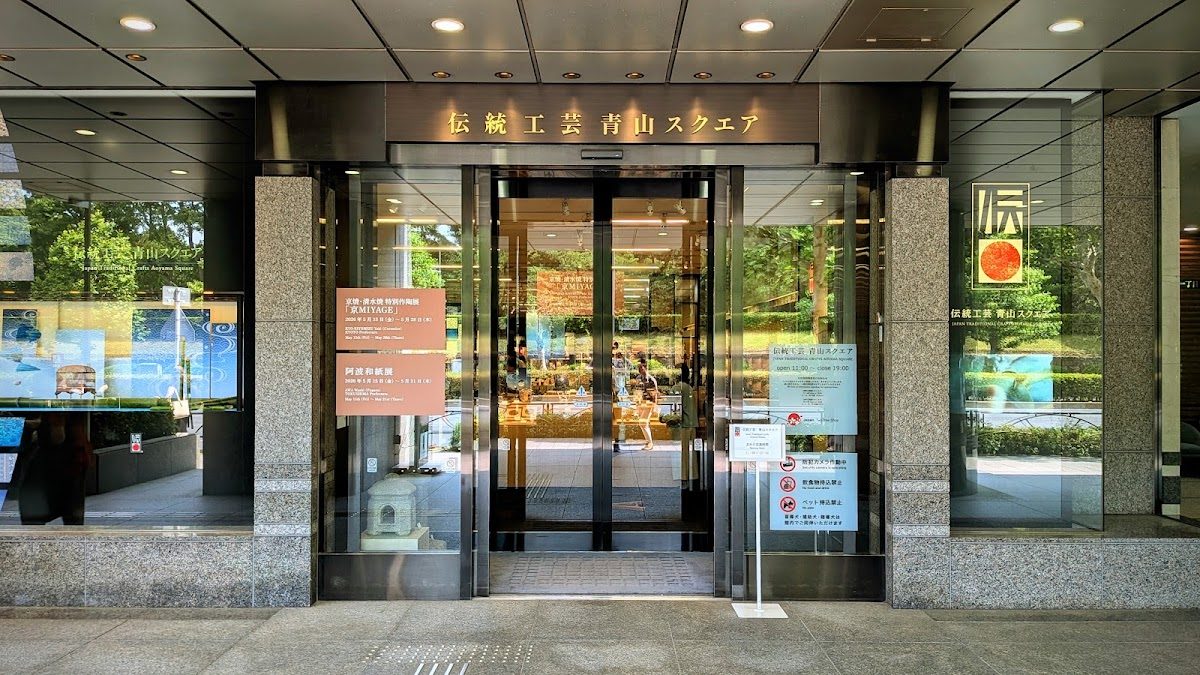
The square displays and sells items ranging from intricate lacquerware and delicate kimonos to robust pottery and precise metalwork. You can see the craftsmanship up close, often with detailed explanations of the materials and processes involved. It is a quiet, contemplative space that highlights the beauty of Japanese artistry.
This stop provides cultural depth and an opportunity to purchase meaningful, high-quality souvenirs that directly support traditional artisans, offering a genuine piece of Japan to take home.
4. Wander the historic alleys and refined dining spots of Kagurazaka
Wander through the elegant, cobblestone alleys of Kagurazaka, a historic district that was once a prominent geisha quarter and is now a hub for refined dining. This area, sometimes called “Little Paris” due to its French influences, offers a unique blend of traditional Japanese restaurants, French bistros, and quiet soba shops. It provides a sophisticated and culturally rich experience away from mainstream tourist paths, making it a growing interest for those seeking authentic food experiences.
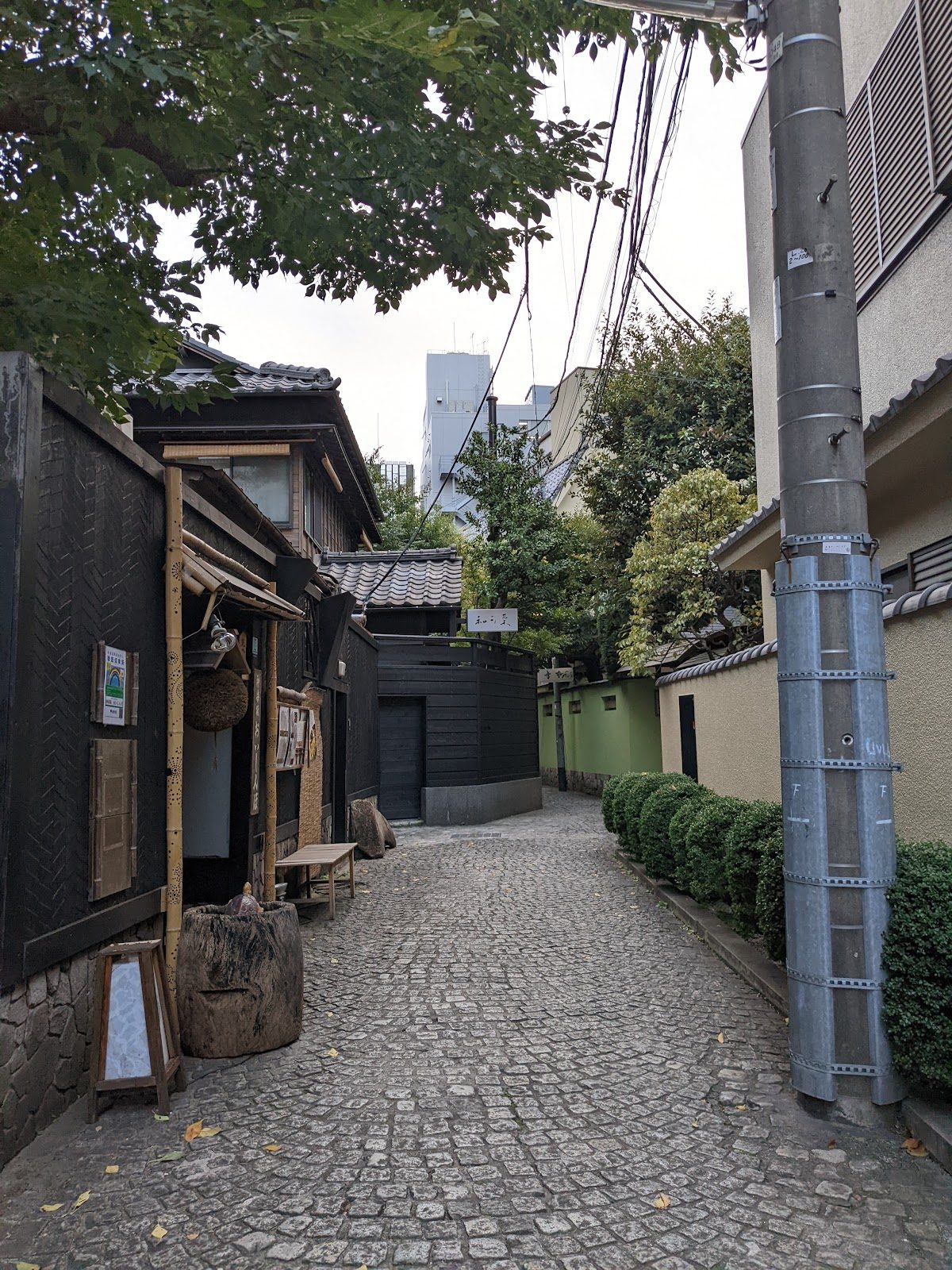
Explore the narrow ‘yokocho‘ (alleyways) like Kakurenbo Yokocho, where you might spot a traditional wooden gate leading to a hidden restaurant or a ryotei. The atmosphere shifts from bustling main streets to hushed, lantern-lit passages. I remember getting lost in these alleys once, only to stumble upon a tiny soba shop with the best cold soba I’d ever had.
This district offers a taste of old Tokyo’s elegance and culinary sophistication, perfect for an authentic lunch or early dinner experience that feels both historic and contemporary.
Final word
Tokyo, even on a 14-hour layover, offers far more than just airport transit; it presents an opportunity to delve into its quiet, enduring cultural heart. By venturing into neighbourhoods like Yanaka and Kagurazaka, you will discover a city that values tradition, craftsmanship, and unpretentious culinary experiences, giving you a genuine taste of Japan that most visitors miss.
All information verified at time of writing. Please confirm opening hours and prices before you go.