
Johannesburg is often misjudged as merely a transit point, but after countless layovers, I have come to appreciate its raw, unapologetic energy. With interest in Maboneng Precinct and Newtown’s cultural districts on the rise, it is clear more travellers want to peek beyond the airport. This city is a dynamic heart of South Africa, rich with stories and experiences if you know where to look.
This guide is for you if you have 8 hours in Johannesburg and want to experience the city’s unique cultural pulse and authentic flavours, rather than just the airport lounge. We will focus on key neighbourhoods that offer a genuine taste of Jozi.
Johannesburg, or Jozi, is a sprawling metropolis forged from the gold rush, now a hub of African innovation and creative regeneration. It is a city of distinct contrasts, where modern art galleries sit alongside traditional markets, reflecting its complex past and dynamic present.
A personal note on Johannesburg
Over the years, passing through O.R. Tambo International Airport countless times as cabin crew, Johannesburg always felt like a city of two speeds. There is the efficient hum of the airport and then, just beyond it, the vibrant, sometimes chaotic rhythm of the city. I remember the rich smell of braai smoke drifting from neighbourhood markets on weekend afternoons, a stark contrast to the air-conditioned terminals. Each visit, even a short one, offered a glimpse into its resilient spirit and the sheer diversity of its communities, from the energetic pulse of Rosebank to the deep cultural roots of Fordsburg.
Before you leave the airport
Storing your luggage
If you are heading out, drop your bags at A-Teck Luggage Storage located at O.R. Tambo International Airport, Terminal A Arrivals Hall, Basement Level 1. It costs R90.00 for 6-12 hours and is open 24 hours. Remember, they only accept cash payment.
Do you need cash?
Yes, cash is necessary in Johannesburg. While cards work in major malls and restaurants, you will need South African Rand (ZAR) for street food, local markets, and potentially some smaller vendors. I recommend carrying R500–R1,000 in smaller denominations. Always use ATMs inside bank branches (FNB, Standard Bank, ABSA, Nedbank) or shopping malls during business hours for safety.
8 hours in Johannesburg: what to do
1. Discover authentic African crafts at Rosebank Art & Craft Market
Step into a world of pan-African artistry at the Rosebank Art & Craft Market, a true celebration of skilled artisans from across the continent. This popular market offers everything from intricate beadwork and wooden sculptures to vibrant textiles and traditional jewellery. It is a prime spot to find unique, high-quality souvenirs that genuinely reflect African heritage.
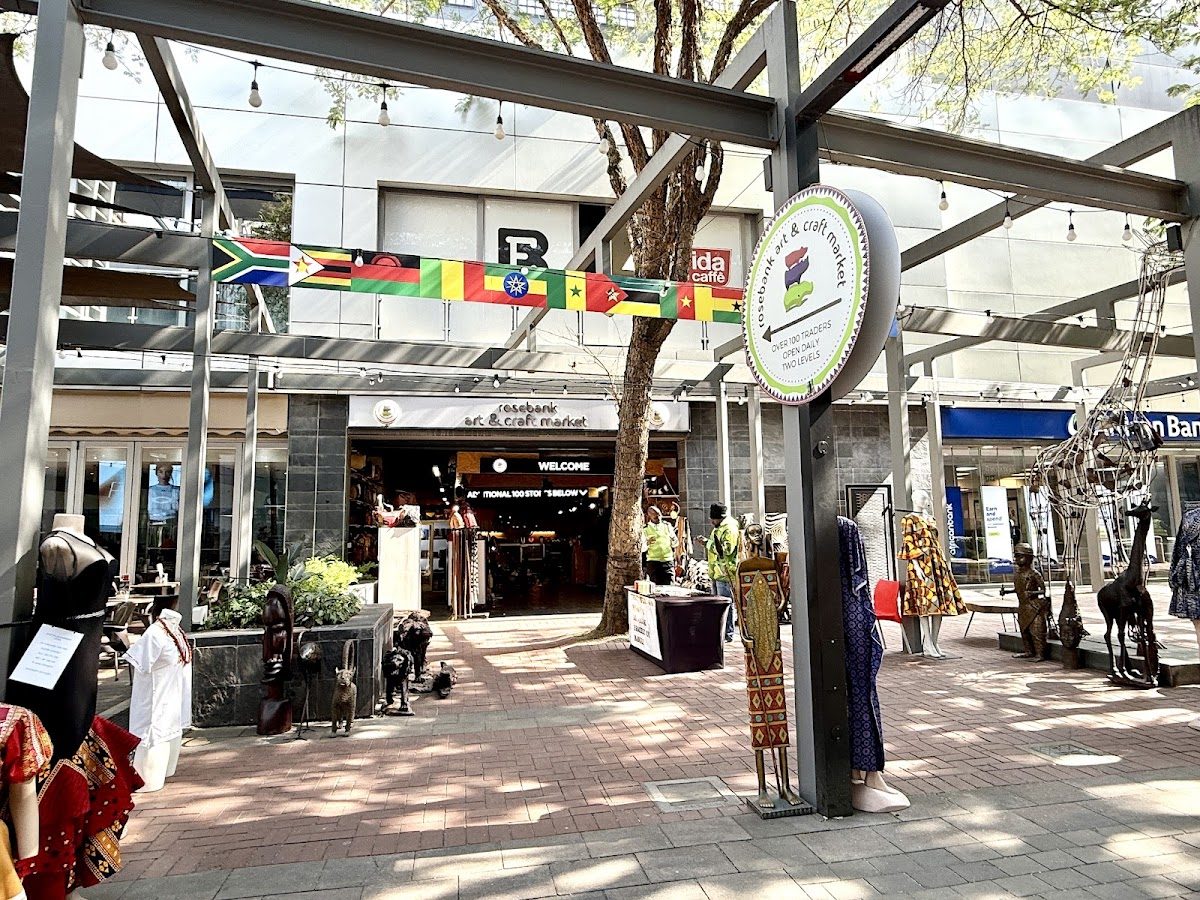
You will find vendors here who are passionate about their craft, making it a place where you can engage, learn, and respectfully bargain for the best prices. Look out for the innovative recycled art objects, which are particularly unique to this region.
This market is an excellent way to support local entrepreneurship and appreciate the rich artistic traditions of South Africa and beyond, all within easy reach of the Gautrain.
2. Experience urban regeneration in the Maboneng Precinct
Explore the Maboneng Precinct, a vibrant urban success story that has transformed the eastern side of Johannesburg’s CBD. Meaning ‘Place of Light‘, Maboneng is a dynamic hub of independent shops, art galleries, cafes, and restaurants. It is a testament to community-driven revitalisation.
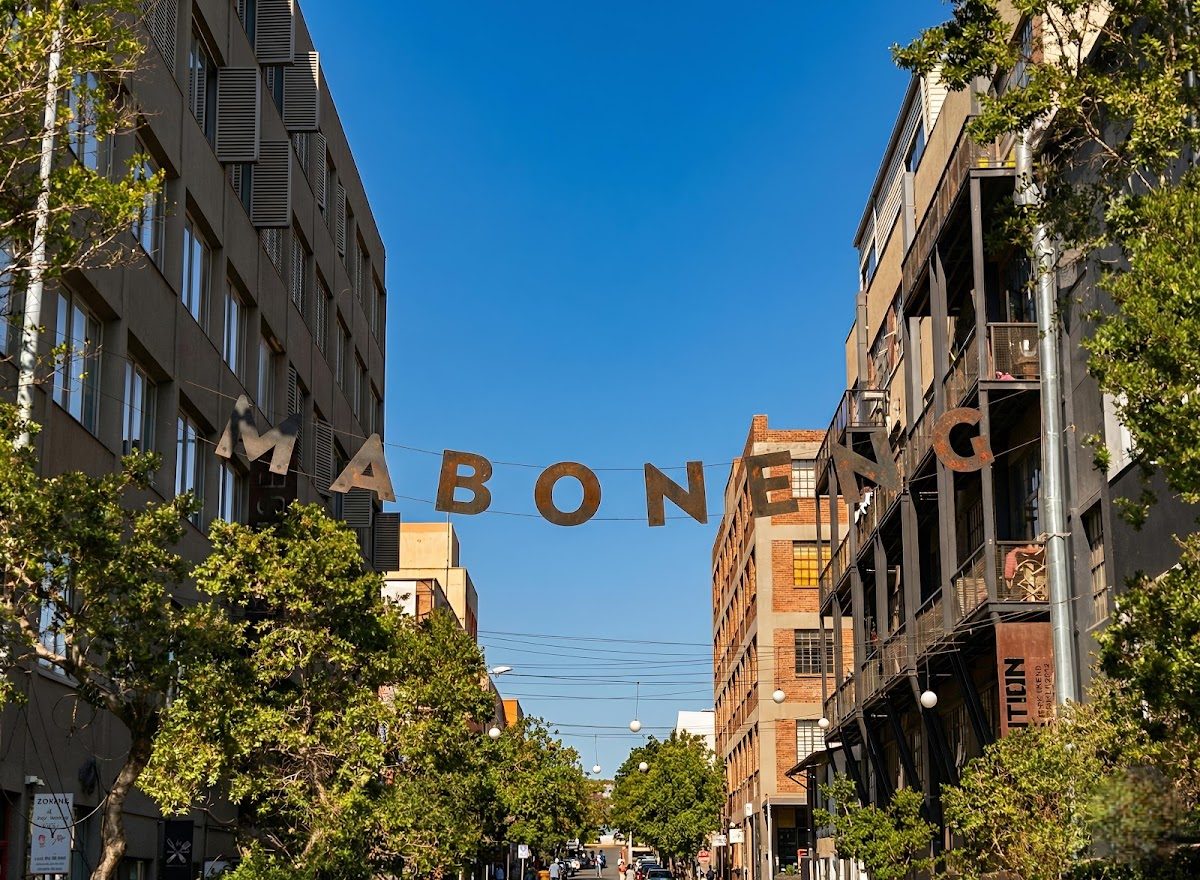
Wander through streets adorned with impressive street art, browse quirky boutiques, or simply soak in the lively atmosphere. If your layover aligns with a Sunday, the Market on Main is a must, offering a fantastic array of local food entrepreneurs and designers.
Maboneng offers a glimpse into the creative, forward-thinking side of Johannesburg, showcasing how art and community can breathe new life into an urban space.
3. Dive into the flavours of Fordsburg Neighbourhood
Head to Fordsburg, affectionately known as ‘downtown India’ or ‘little India’, for an immersive culinary and cultural experience. This bustling neighbourhood is a riot of Indian and Middle Eastern influences, from aromatic spices to vibrant fabrics.
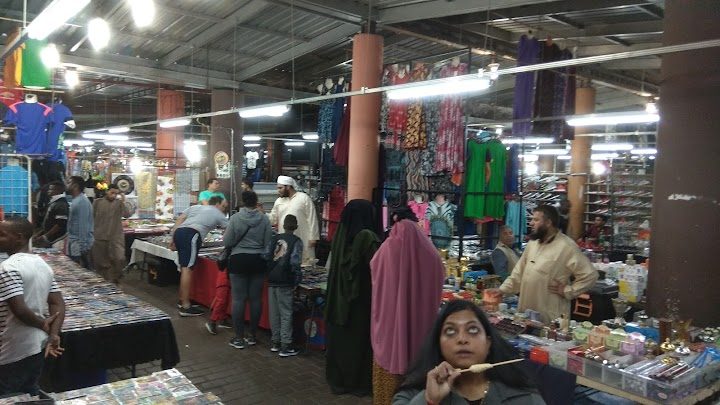
Explore the Oriental Plaza or the Fordsburg Square market, where you will find street-side grills, bakeries, and restaurants serving authentic dishes. Do not leave without trying a Bunny Chow, a distinctive South African Indian curry served in a hollowed-out bread loaf — a personal favourite from my early layovers.
Visiting Fordsburg, particularly on a Saturday night, offers a lively atmosphere and a genuine taste of Johannesburg’s diverse culinary landscape.
4. Experience traditional culture at Kwa Mai Mai Market
For a truly authentic and sensory encounter, visit Kwa Mai Mai Traditional Market, one of Johannesburg’s oldest street markets. What began as a traditional medicine (muthi) market has evolved into a vibrant hub where Zulu traditional healers, leather workers, and food vendors converge.
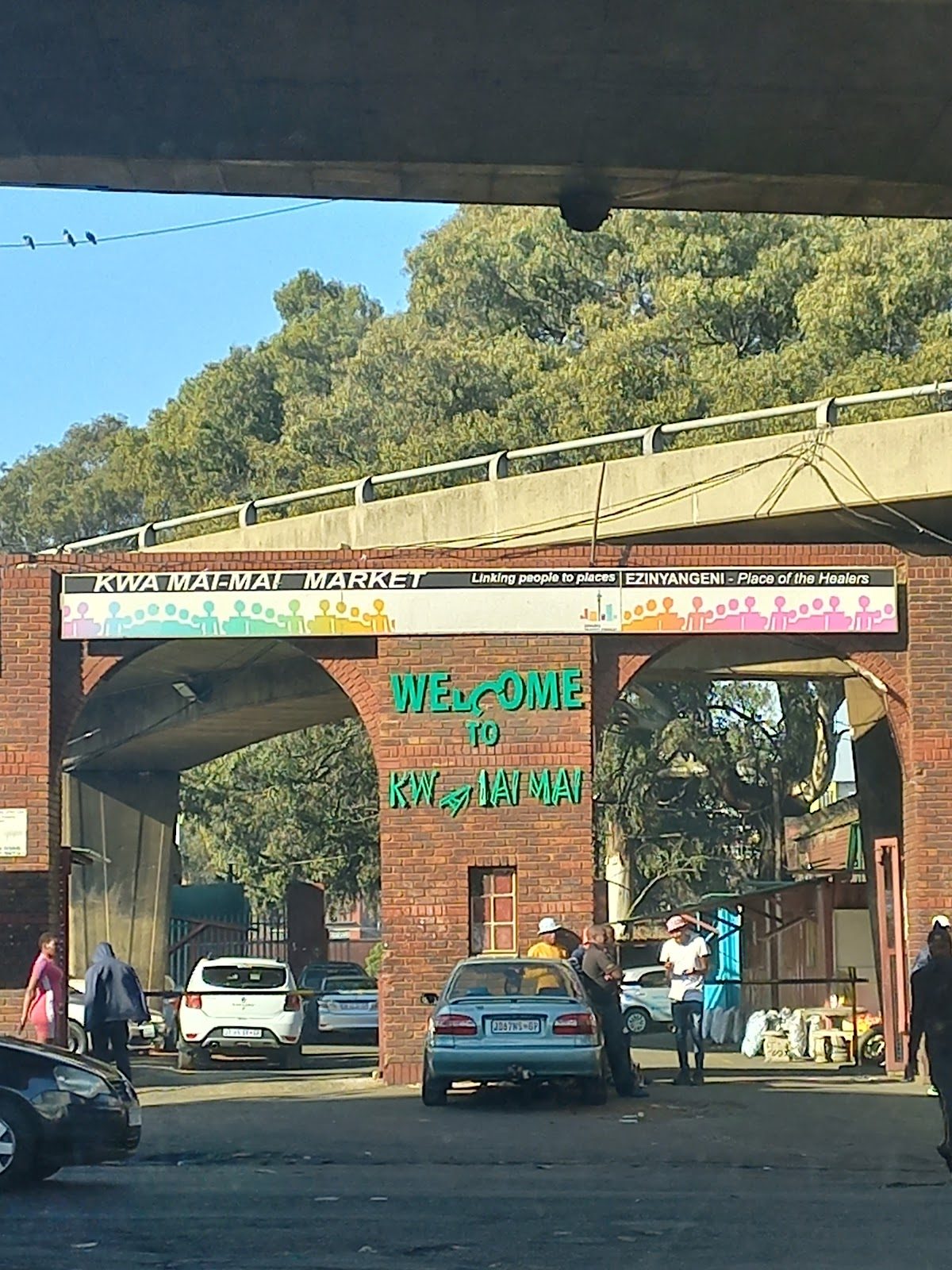
Here, you can witness the art of leather craftsmanship, explore stalls selling traditional remedies, and, most importantly, savour authentic South African braai (barbecue), known locally as shisa nyama. The aroma of grilled meat and the sound of chatter create an unforgettable atmosphere.
This market offers an unfiltered look into traditional South African culture, providing an intense and rewarding experience that many tourists miss.
Final word
Johannesburg on an 8-hour layover is not just possible; it is an opportunity to connect with a city that pulsates with genuine energy and cultural depth. Moving beyond the airport offers a true sense of South Africa’s spirit, far more rewarding than waiting at the gate.
All practical information was verified at the time of writing. Please confirm opening hours and prices before your visit.